
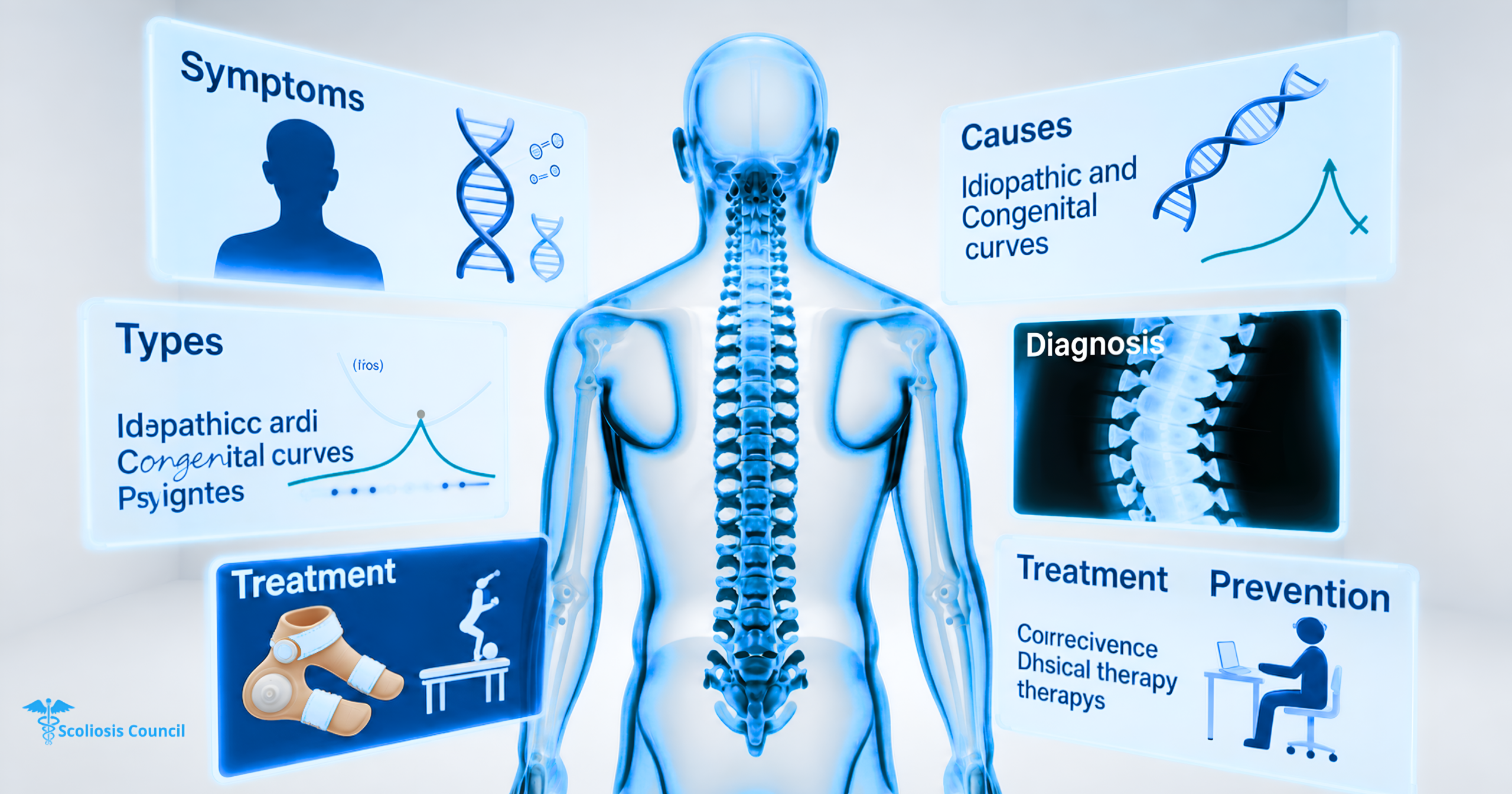
Scoliosis: Symptoms, Causes, Types, Diagnosis, Treatment, and Prevention
Scoliosis is a common spine condition that causes an abnormal sideways spinal curvature, affecting children, teenagers, and adults. While many people have mild curves with few symptoms, others may experience back pain, posture changes, or reduced mobility as the condition progresses. Early recognition is essential because timely scoliosis diagnosis and appropriate treatment can help prevent complications and improve quality of life. Whether scoliosis develops during growth or later because of aging, understanding its causes, symptoms, and treatment options empowers you to make informed healthcare decisions. This guide explains everything you need to know, from diagnosis to long-term scoliosis treatment, using clear, easy-to-understand language.
What Is Scoliosis?
Scoliosis is more than a simple bend in the back. It is an abnormal spine curve that changes the natural position of the vertebrae. Instead of forming a straight line, the backbone bends sideways and may also rotate, creating uneven shoulders, hips, or ribs. This spinal deformity can affect balance, posture, and movement if left untreated.
The condition affects people of all ages, although it most commonly appears during adolescence when the body grows rapidly. Some curves remain small throughout life, while others gradually worsen. Thanks to early scoliosis detection and regular monitoring scoliosis, many patients successfully manage the condition without major surgery.
Definition of scoliosis
Scoliosis is defined as a curved spine with a sideways curve measuring at least 10 degrees on an X-ray. Healthcare professionals measure this angle using the Cobb angle, which helps determine whether the curve is mild, moderate, or severe. This measurement guides scoliosis diagnosis and treatment and allows doctors to monitor changes over time.
How scoliosis affects the spine
A healthy spine supports your body in a straight line from the neck to the pelvis. With scoliosis, the vertebrae shift sideways and may rotate, affecting spinal alignment and muscle balance. As the curve becomes larger, surrounding muscles work harder to support the body, which may lead to back pain, stiffness, and reduced flexibility. In severe cases, the ribs may press against the lungs, making breathing more difficult.
Is scoliosis a disease or a condition?
Scoliosis is considered a medical condition rather than a disease. It describes a structural change in the spine instead of an illness caused by bacteria or viruses. Depending on its cause, doctors classify scoliosis into several categories. Identifying the correct type allows a healthcare provider to recommend the most effective scoliosis care for each individual.
Types of Scoliosis
Not all scoliosis develops for the same reason. Doctors classify the condition according to its underlying cause because every type follows a different pattern of progression. Understanding the specific type helps an orthopedic specialist choose the best treatment plan while improving long-term spinal health management.
Some forms develop during childhood with no known cause, while others result from birth defects, neurological disorders, or natural aging. Each type responds differently to treatment, making an accurate diagnosis one of the most important steps in successful scoliosis management.
| Type of Scoliosis | Common Cause | Typical Age Group | Common Treatment |
| Idiopathic Scoliosis | Unknown | Children & Teenagers | Observation, scoliosis brace, physical therapy |
| Congenital Scoliosis | Birth defect | Infants | Monitoring or surgery |
| Neuromuscular Scoliosis | Muscle or nerve disorders | Children & Adults | Therapy, bracing, surgery |
| Degenerative Scoliosis | Aging and bone degeneration | Adults over 50 | Medication, therapy, surgery |
Idiopathic scoliosis
Idiopathic scoliosis is the most common form, accounting for nearly 80 percent of all diagnosed cases. Researchers still don’t know the exact cause, although genetics appear to play an important role. The condition often develops during adolescence when rapid growth occurs. Regular scoliosis screening helps identify the curve early so treatment can begin before significant progression occurs.
Congenital scoliosis
spinal development and determine whether corrective treatment becomes necessary. Congenital scoliosis develops before birth when one or more vertebrae fail to form correctly. Because the spine grows unevenly, the curve may become more noticeable as the child grows. Children with this condition often need regular spinal examination and long-term follow-up with a spine specialist to monitor
Neuromuscular scoliosis
Neuromuscular scoliosis occurs when diseases affecting the brain, spinal cord, or muscles weaken the structures that support the spine. Conditions such as cerebral palsy, muscular dystrophy, and spina bifida commonly contribute to this type. Treatment often combines physical therapy, supportive bracing, and, when necessary, spinal fusion surgery to improve posture and stability.
Degenerative scoliosis
Degenerative scoliosis mainly affects older adults. As spinal discs wear down and joints become arthritic, the spine gradually loses its normal alignment. This form of adult scoliosis often causes chronic back pain, stiffness, and reduced mobility. Conservative care may help many patients, although advanced cases sometimes require spinal surgery and careful recovery after spinal surgery under the guidance of an experienced orthopedic surgeon.
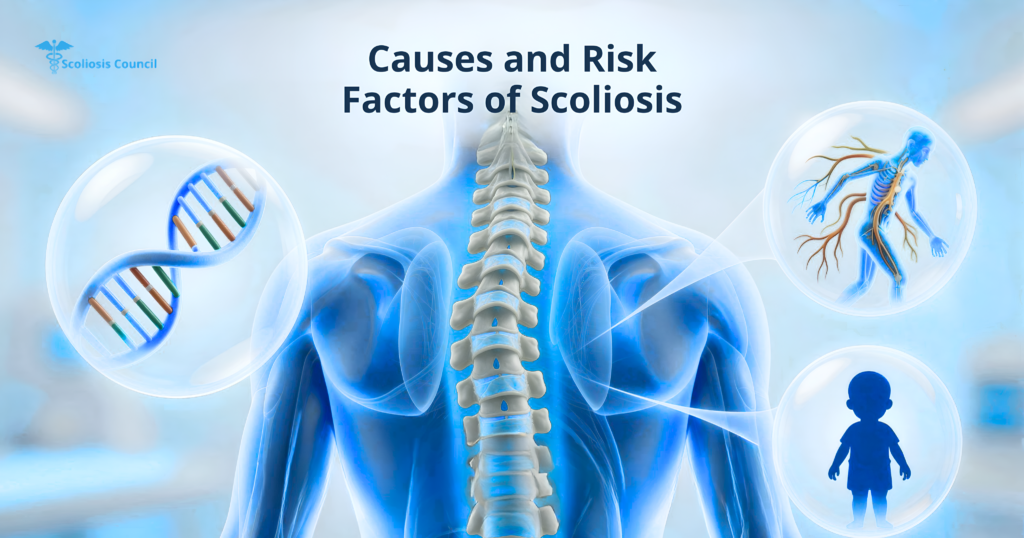
Causes and Risk Factors of Scoliosis
Scoliosis can develop for several reasons, although the exact cause isn’t always known. Some people are born with spinal differences, while others develop the condition during growth or later in life. Understanding the cause helps your healthcare provider recommend the most suitable scoliosis treatment and protect your spinal health.
Several factors increase the risk of scoliosis, including genetics, age, and certain medical conditions. Regular spinal screening and early medical evaluation can detect changes before the curve becomes severe. Early care often slows spinal curvature progression and reduces the chance of future complications.
What causes scoliosis?
The most common type, idiopathic scoliosis, has no known cause. Other forms may result from birth defects, bone degeneration, muscle or nerve disorders, spinal injuries, infections, or tumors. Identifying the cause helps guide scoliosis diagnosis and long-term treatment.
Who is most at risk?
Children between ages 10 and 18 face the greatest risk because of rapid growth during puberty. Girls are more likely to develop curves that need treatment. Older adults may develop adult scoliosis because aging changes the spine over time.
Can scoliosis be inherited?
Yes. Research suggests that scoliosis can run in families. A family history of scoliosis increases the risk, although it doesn’t mean the condition will always develop. Routine checkups help detect changes early in children with affected relatives.
Risk factors by age and gender
Children usually develop scoliosis during growth spurts, while adults often experience it because of bone degeneration. Although both males and females can have scoliosis, females have a higher chance of developing a severe spinal curve that requires treatment.
Does poor posture cause scoliosis?
Poor posture doesn’t cause scoliosis. Slouching may create temporary posture problems, but it won’t permanently bend the spine. However, maintaining good posture supports spinal alignment and keeps muscles strong and balanced.
Can scoliosis develop in adulthood?
Yes. Adult degenerative scoliosis develops when aging causes the spinal discs and joints to wear down. This may lead to stiffness, back pain, and changes in posture that gradually worsen over time.
Conditions linked to scoliosis
Conditions such as cerebral palsy, muscular dystrophy, spina bifida, and connective tissue disorders increase the risk of scoliosis. These patients often need regular monitoring from an orthopedic specialist to manage spinal growth and movement.
Signs and Symptoms of Scoliosis
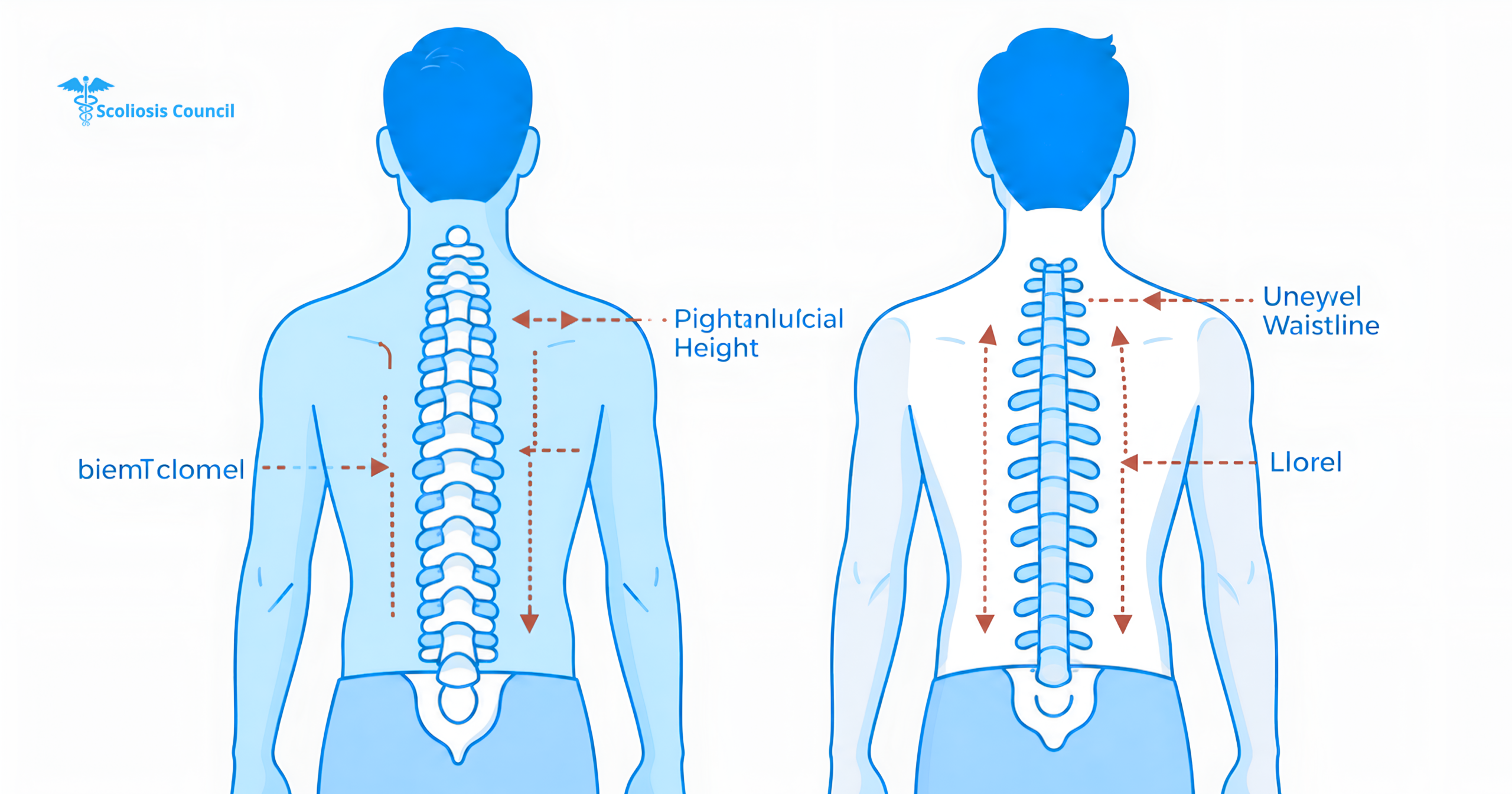
Scoliosis often begins with subtle changes that are easy to miss. Many people notice uneven shoulders or hips before pain develops. Recognizing the signs of scoliosis early allows timely treatment and improves long-term scoliosis care.
Symptoms vary depending on the size and location of the curve. While mild scoliosis may cause few problems, larger curves can affect posture, movement, and breathing. Regular checkups support early scoliosis detection and better treatment outcomes.
Early signs of scoliosis
Early signs include uneven shoulders, uneven hips, one shoulder blade sticking out, or clothing that hangs unevenly. A child may also lean slightly to one side while standing.
Common symptoms
Common symptoms of scoliosis include back pain, muscle fatigue, reduced flexibility, uneven posture, and a visible curved spine. Severe cases may also affect breathing and physical activity.
Mild vs. severe scoliosis symptoms
People with mild scoliosis often have little discomfort and live normally. Those with severe scoliosis may experience chronic pain, reduced mobility, nerve pressure, and more noticeable body imbalance.
What part of the spine does scoliosis affect?
Scoliosis can affect the neck, upper back, or lower back. Most curves develop in the thoracic or lumbar spine, changing spinal alignment and affecting the shoulders, ribs, and hips.
How scoliosis affects daily life
Scoliosis may make sitting, standing, or exercising uncomfortable. Some people also feel less confident because of posture changes. Living with scoliosis becomes easier through regular exercise, proper posture, and physical therapy for scoliosis.
When should you see a doctor?
Visit a doctor if you notice uneven shoulders, a visible spinal curve, persistent pain, or changes in posture. Knowing when to see a doctor for scoliosis allows earlier treatment and may prevent the condition from becoming more severe.
How Scoliosis Is Diagnosed
An early diagnosis gives you the best chance to manage scoliosis successfully. Doctors combine a physical examination with imaging tests to measure the curve and determine whether treatment is needed. Regular follow-up visits help track changes and protect long-term spinal health management.
Modern scoliosis diagnosis and treatment focus on accuracy and early intervention. Your doctor considers your age, symptoms, growth stage, and the size of the curve before creating a personalized treatment plan.
Physical examination
A doctor checks your posture, shoulder height, hip position, and spinal movement. The forward bend test often reveals uneven ribs or a visible curve that needs further evaluation.
Imaging tests
X-rays remain the primary test for diagnosing scoliosis. MRI or CT scans may be recommended when doctors suspect nerve problems or other spinal conditions.
Understanding the Cobb angle
The Cobb angle measures the degree of the spinal curve on an X-ray. Curves above 10 degrees confirm scoliosis, while larger angles help determine whether observation, bracing, or surgery is the best treatment.
How doctors determine curve severity
Doctors classify scoliosis as mild, moderate, or severe based on the Cobb angle, age, symptoms, and future growth potential. This information guides scoliosis treatment options and helps predict whether the curve is likely to progress.